Choosing Tires for Large Cars
When replacing tires on a large car, your first step is to verify the correct tire size and specifications for your vehicle. You'll find this critical information on a placard located inside the driver's door jamb, which lists the manufacturer's recommended tire size, load index, and speed rating. Large cars typically wear sizes in the range of 235/50R18 or similar, though some models may use sizes ranging from 17-inch to 20-inch wheels. It's essential to match these specifications exactly, as the load and speed ratings ensure your tires can safely support your vehicle's weight and performance requirements.
Next, consider the seasonal conditions where you'll drive. All-season tires work well for most climates with moderate winters and are the most versatile choice for year-round driving. Summer tires offer superior handling and braking in warm conditions but lack winter traction. Winter tires are necessary if you regularly encounter snow, ice, or sustained freezing temperatures. Think about your local climate and driving patterns to select the most appropriate type.
Finally, before purchasing, confirm your selection matches the door-jamb placard exactly. Bring this information to your tire retailer to verify fitment on your specific wheels. This ensures you get tires engineered for your vehicle's performance and safety requirements.
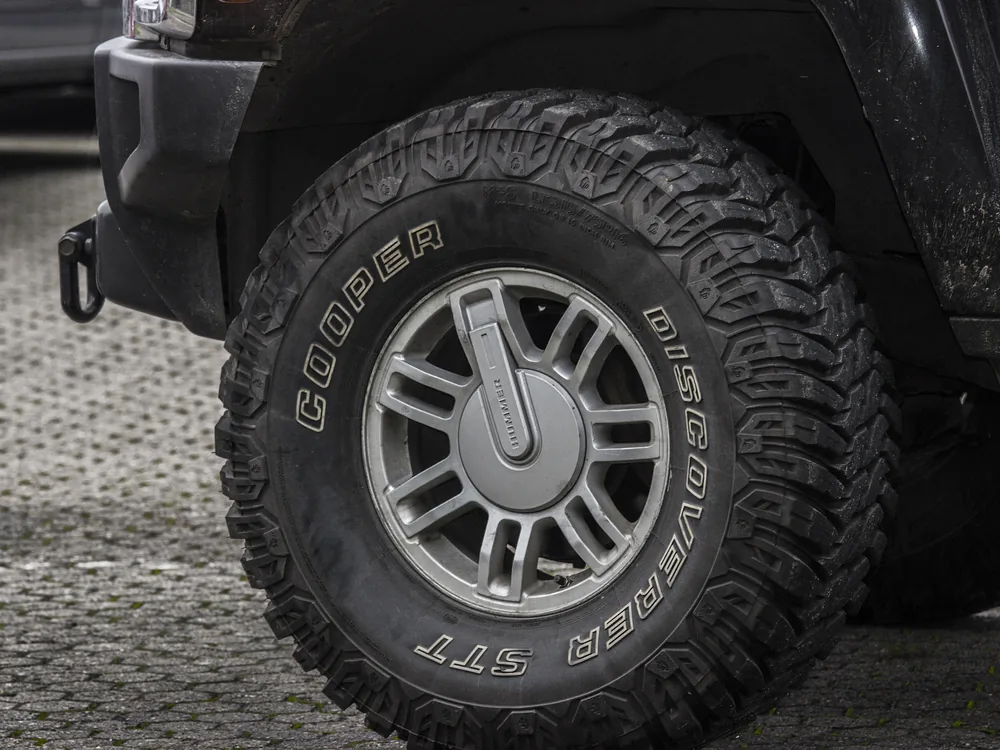
Match the size, load and speed rating
Start from the original-equipment size for the segment and keep the same load index and speed rating, or higher — these protect the vehicle's carrying capacity and handling. Then match the season type to how you drive. Whatever you choose, the size on your door-jamb tire placard is what to confirm against, because trims within a class differ.
Typical tire size for this class → · Find your exact vehicle →
Ready to buy new tires?
Once you’ve confirmed your size against the door-jamb placard, Mavis Tires stocks tires for most vehicles and handles installation. Independent partner — an option to explore, not an endorsement; always confirm fitment before you order.
Shop tires for your vehicle (Mavis Tires) →